
• JULY 18, 2020
    • 0
    More About “Minimally Invasive” Pilonidal Surgery

    More About “Minimally Invasive” Pilonidal Surgery

    Fibrin Glue. Kshar Sutra, Phenol, RFA, and Seton Treatment of Pilonidal Disease In a previous post I discussed several “minimally invasive” pilonidal treatments, and you can read about them here. However, there are a few other kinds of minimally invasive therapies that are worth discussion. They are: Fibrin Glue Kshar Sutra Phenol Injection RFA (Radio

    Read more
    • JULY 15, 2020
    • 0
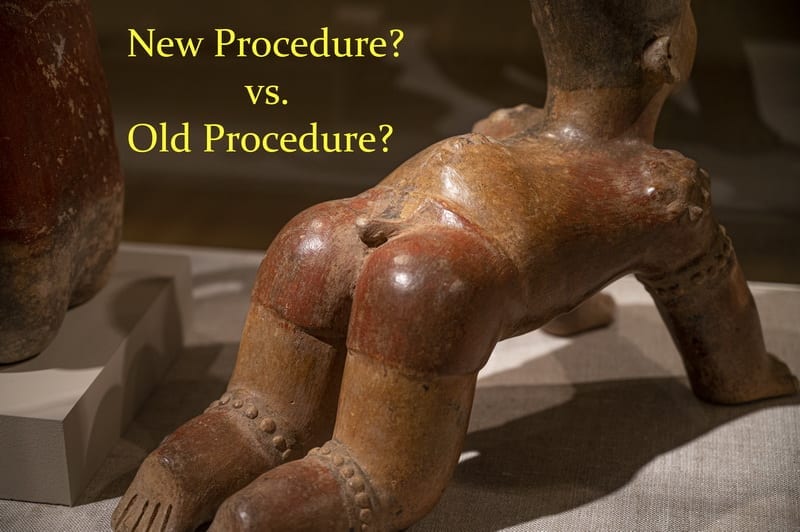
    Is the Cleft-Lift a New Procedure?

    Is the Cleft-Lift a New Procedure?

    My surgeon said he never heard of it because it was a new, specialized procedure. It depends on your definition of “new”. The cleft-lift is a procedure that has had several modifications, within the category of operations for pilonidal disease collectively called “off midline closures”: In 1973 Dr. George Karydakis, a Greek surgeon, published his

    Read more
    • JUNE 9, 2020
    • 0
    Pilonidal Disease: Can I Avoid Surgery?

    Pilonidal Disease: Can I Avoid Surgery?

    Will this go away by itself? Is it manageable with non-surgical care? This is a commonly asked question. Although I am a surgeon, I realize that surgery is not for everyone, and nobody is really excited about having an operation if there is another option. Drainage of a painful, infected, abscess (lancing, I&D) is often

    Read more
    • APRIL 12, 2020
    • 0
    Sacroiliac Joint Pain

    Sacroiliac Joint Pain

    Sacroiliac Joint Pain

    The sacroiliac joint (SI Joint) is right underneath the cleft lift scar, and it is not uncommon for there to be some confusion regarding pain from the cleft lift surgery and irritation of that joint (sacroiliitis). Pain that develops in the sacral area, in the absence of any pilonidal openings, wounds, bleeding or drainage very well may have some other cause than pilonidal disease or cleft lift surgery. Here is some more detail about sacroiliitis.

    What causes SI Joint Pain?

    • Repeated twisting, bending, or heavy lifting, especially if you haven’t been doing that recently.
    • Falling or any trauma to the low back area.
    • Asymmetry of the pelvis or poor posture.
    • Not stretching or warming up before sports or lifting.

    What are the Symptoms?

    • Pain in the very low back, often alongside the cleft lift incision on one side or both.
    • Stiffness and pain with bending or twisting.
    • Pain with sitting

    How is it diagnosed?

    • Often, just the history of pain, how it began, and where it is located is enough to generate a high index of suspicion that the pain is from the SI Joint.
    • X-rays, MRI or CT scan may be helpful, but don’t always show the irritation.

    What is the Treatment?

    • Rest the area by stopping the activity that may have caused it.
    • Anti-inflammatory medications.
    • Apply ice packs to the area of discomfort.
    • Consider message, acupuncture, or physical therapy.
    • Consider seeing a chiropractor, sports medicine, or orthopedic physician for further evaluation and treatment.

    If this doesn’t sound like it applies to your situation, you may want to read this more generalized discussion of post operative pain after pilonidal surgery.

    Read more