

Search results
-
DECEMBER 7, 2019
- 0
-
-
NOVEMBER 30, 2019
- 0

Are Wound VAC’s Really That Great?
The pros and cons of wound V.A.C.’s A suction device used to help heal a wound has several names: Wound V.A.C, VAC, “vacuum assisted wound closure” or “negative pressure wound therapy (NPWT)”. Sometimes they are referred to based on the specific brand of the machine, like a “Pico” or “VERAFLO”. VAC stands for” Vacuum Assisted
Read more-
-
NOVEMBER 21, 2019
- 0

Why won’t my wound heal?
Dealing with failed operations
Often patients ask me why their previous surgery won’t heal. Or, why it heals but then reopens.
Surgeons often blame this on:
- the patient’s hygiene
- quality of wound care
- general health (“you just don’t heal well!”)
- that they have mysteriously developed a new “cyst”
- or “it was so extensive, we just couldn’t get all the cysts and tracts with the last operation”
- there is too much hair, and hair removal needs to be more diligent
- too much activity made the wound come apart
However, the actual reason for non-healing is usually the same in almost all cases:
- the cleft was not completely flattened
- the incision is in, or crosses, the midline
Of course, if a patient had a huge excision that was left open (or fell apart after closure) it will take a while to heal, and the size does matter. But, there should be good, steady progress. If it is taking many months, the wound actually gets larger, or the wound seems to heal – but then reopens, the cause has to do with the two reasons above.
So, what should you do?
Wound Care: One option is to continue with local wound care and give it more time. My page on Home Treatments discusses strategies that apply to most situations.
Nutrition: It is also important to maximize nutrition. This web page discusses the proper diet, vitamins, and supplements that promote wound healing.
Another Excisional Operation: When a patient gets to the point where it seems that it is just not healing, the original surgeon may suggest another excision! In general, this is the wrong approach, and just brings you back to square one.
A Cleft Lift: The best approach is one that will flatten the cleft and move the incision off the midline. The cleft-lift does exactly that. There are other flap procedures that may or may not work, depending on the expertise and experience of the surgeon performing the flap, but the cleft-lift is cosmetically the most appealing and the most successful.
At our clinic we specialize in correcting the anatomy so that these wounds heal quickly. If you have been dealing with an open wound for more than two months without progress, contact us. We’re glad to help!
Read more-
-
NOVEMBER 1, 2019
- 0
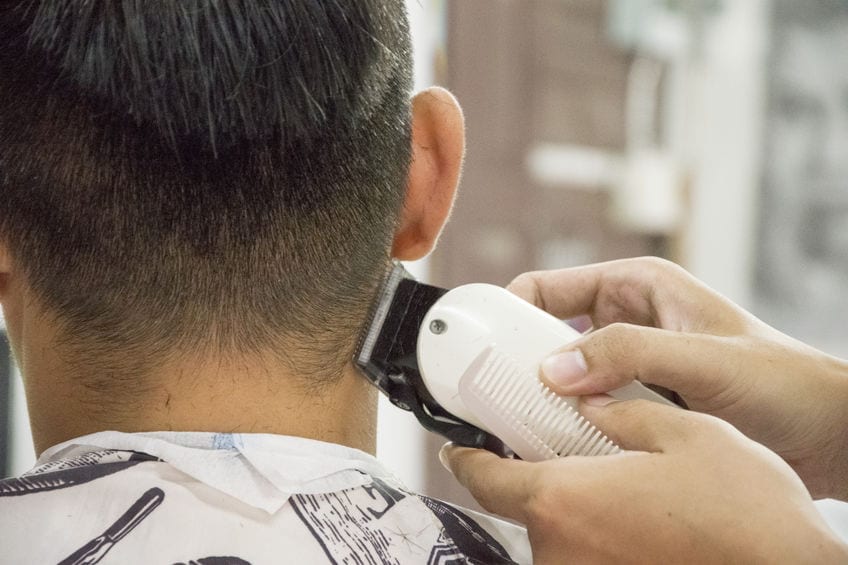
Research on Hair Removal for Pilonidal Cysts
Some of the first research on the subject The term “pilonidal” means “nest of hair”. We know that pilonidal cysts contain loose hairs. These hairs are not “ingrown”, but instead they are hairs that fell into the gluteal crease and found their way under the skin, either by entering a midline pore or directly piercing
Read more-






© 2025 Evergreen Surgical